


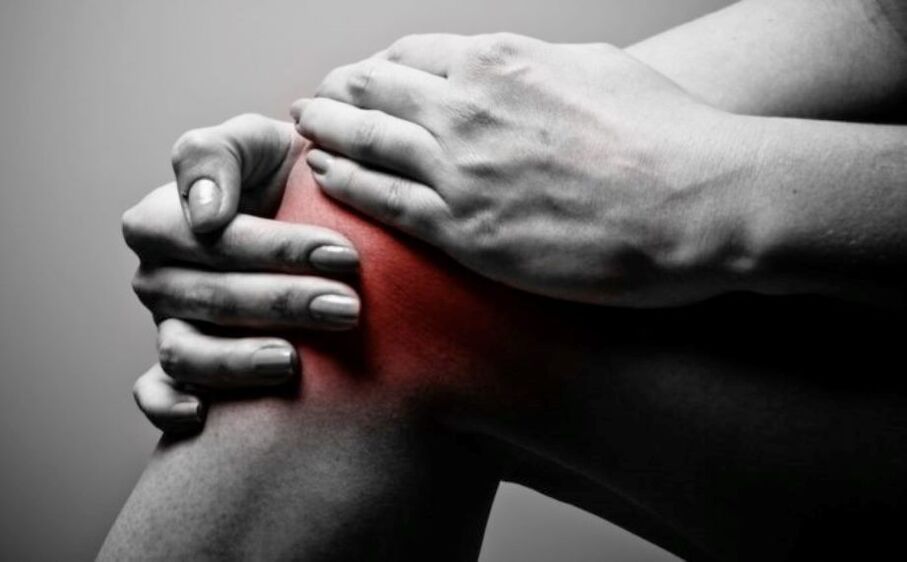
Arthritis and arthrosis are diseases that are not only very similar, but also affect the body in the same way: they affect bones, joints, ligaments and cartilage.Symptoms such as joint pain and difficulty moving are also present in both cases.However, there is a big difference between them.We will try to bring some clarity to these concepts.We will explain how arthritis and arthrosis are manifested, what is the difference between these diseases and how they are treated.
The difference between arthritis and arthrosis
Arthritis is inflammation of the joints.Arthrosis is an age-related change in cartilage tissue (cartilage destruction).
Arthritisis a very broad term used to describe a variety of conditions that cause joint inflammation.Each type of inflammation has its own name, for example, rheumatoid arthritis, osteoarthritis (arthrosis, arthrosis deformans).Arthritis can occur at any age.
Arthrosis (osteoarthrosis, osteoarthritis)- One of the most common types of arthritis, which occurs when cartilage tissue wears down.Our joints are mobile due to cartilage, its elasticity and smoothness.Its destruction leads to direct contact between the bones of the joints, which causes pain.Arthrosis is an age-related change that occurs in old age.
Also, arthritis and arthrosis have differences:
- symptoms
- risk factors.
- classifications.
- diagnosis.
- treatment.
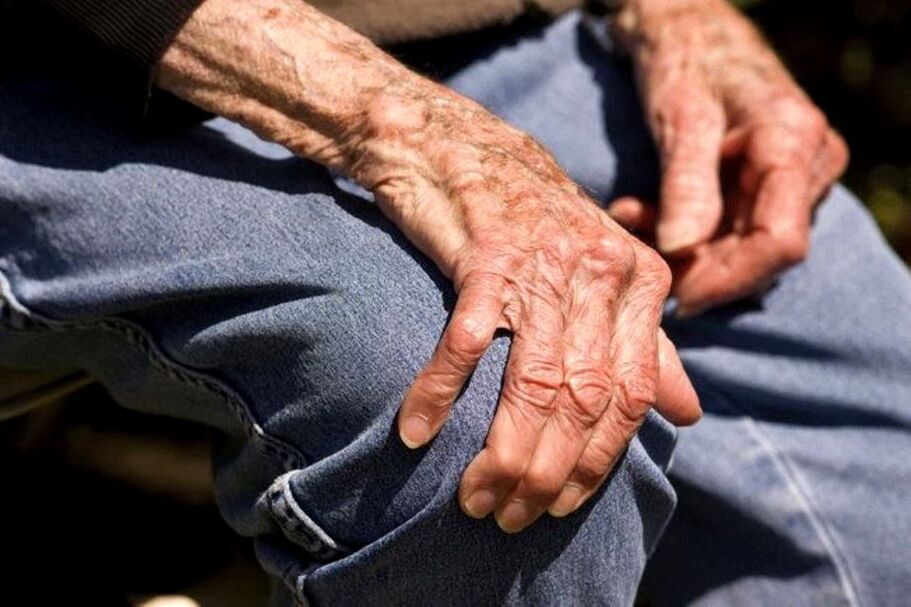
symptoms
Arthritis symptoms can also be present in arthrosis, but the nature of these symptoms is different.For example, joint pain occurs in both cases, but pain with prolonged strain and stress is common only in arthrosis.
Arthritis
It is important to understand that the symptoms of one type of arthritis are sometimes completely different from those of another.But here are some symptoms that are common among all types of arthritis:
- pain.It usually hurts at night and can be reduced by increasing the duration of movement (for example, walking during the day).
- Swelling and swelling.If you have not had any injuries and when you compare both knees or wrists one of them is swollen, this may indicate arthritis.
- Sensation of moving joints.There may be a feeling that the joints are moving and pushing against each other.
- tirednessDuring any inflammatory disease, the immune system is activated and starts an active fight, which causes general weakening and fatigue of the body.
- Fever and loss of appetite.Inflammation not only lowers energy levels, as mentioned above, but can also cause fever and loss of appetite.
- Redness and rash on the skin.Usually occurs near inflamed joints.
- Limited range of motion in the affected joints.Of course, pain makes any movement difficult.Performing simple household chores or engaging in your favorite hobby becomes difficult due to severe joint pain.
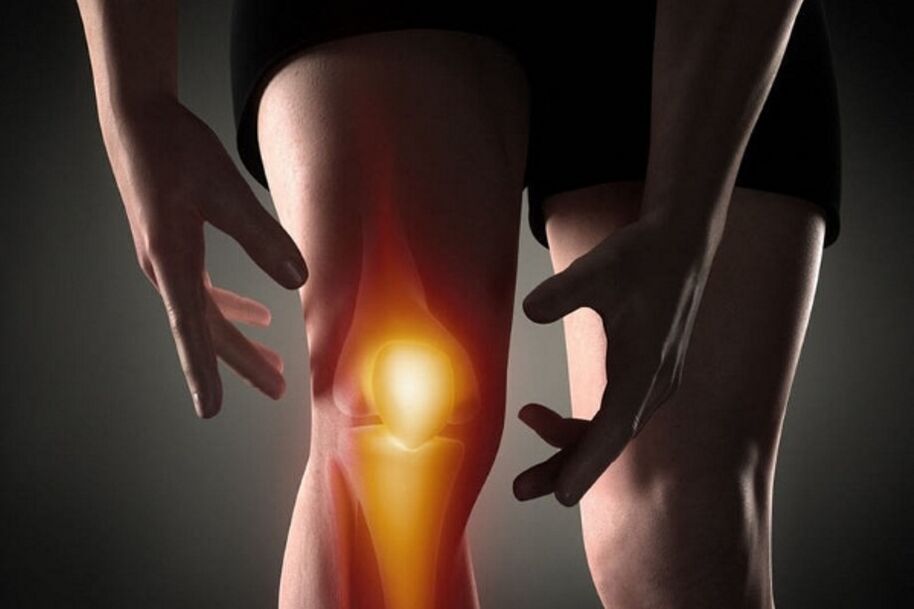
arthrosis
Here are the most common symptoms of arthritis:
- pain.The pain is felt in a specific joint affected by arthrosis and varies depending on the degree of cartilage damage.The more cartilage is destroyed, the more pain a person experiences.Unlike arthritis, where pain often occurs at night or while resting, osteoarthritis pain often occurs during the day: when walking, running, etc.Touching the skin on the painful joint can also cause pain.
- Reduced mobility.It is especially noticeable after a long period of inactivity, for example after a night's sleep.
- convulsion.During movement in arthrosis, you can hear specific sounds (not a light clicking sound, but a heavy and harsh sound).It is the result of the breakdown of cartilage, which is designed to provide smooth, painless friction between joints.
- deformation.During arthrosis (especially in the later stages), various deformations of bones and joints may occur: nodes, protrusions.There is no swelling like in arthritis.
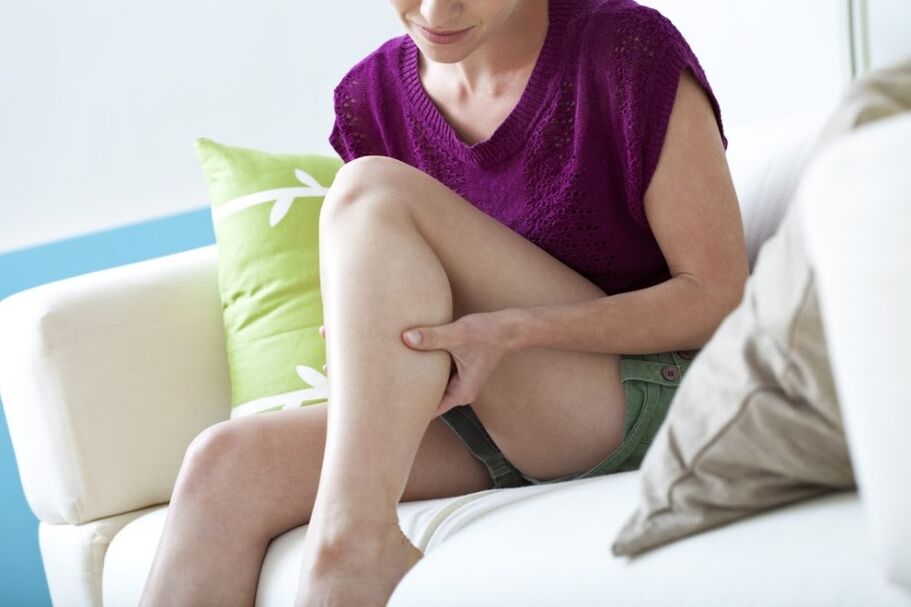
risk factors
Some factors may be the same for both diseases, while others may be different.
- age.One of the most common risk factors.With age, the chance of getting arthrosis or other types of arthritis increases tenfold.In this case, arthrosis mostly occurs in the elderly, and arthritis can occur at any age.
- weight.The heavier a person is, the more pressure his joints experience.This increases the chance of developing arthrosis and arthritis.
- trauma.The risk of osteoarthritis at a young age increases if you have had previous bone or joint injuries.
- genetics.If many family members have suffered from arthrosis, there is a high probability that you will also encounter this disease.However, your genetics do not increase your chances of getting arthritis.
- activity.If you are constantly engaged in work that requires a lot of stress on your bones, joints and cartilage, your chances of developing osteoarthritis increase.
By the way, recently a research group at the University of Oxford discovered a marker in the blood that can identify the risk of developing arthritis before the onset of symptoms, even at an early age (before the age of 16).

classification
Arthritis
- Osteoarthritis (osteoarthritis, osteoarthritis) is the most common type of arthritis and develops due to wear and tear of cartilage and painful friction between joints.
- Rheumatoid Arthritis – This type of arthritis usually affects every joint in the body except the lower back.It is an autoimmune disease, the causes of which are not fully understood.A person can get sick at any age (even small children suffer from this disease).
- Ankylosing spondylitis mainly affects the spine.It develops in vertebrae and discs.It is an autoimmune disease.
- Cervical arthritis occurs for various reasons, but the main one is age.About 85% of people over the age of 80 suffer from this disease.
- Gout is a rare type of arthritis that causes inflammation in various joints.This disease occurs due to an increase in the level of uric acid in the blood.Gout is now rare.
- Psoriatic arthritis is a type of arthritis characterized by inflammation of the skin and joints.This disease is characterized by inflammation of tendons and cartilage;The eyes, lungs, and even the aorta can also be affected.
- Reactive arthritis occurs as the body's response to an attack of bacteria and infections.The causative agent is intestinal and genital infections.The disease causes swelling of the fingers and toes and back pain.
- Juvenile arthritis is an autoimmune disease that affects children under the age of 16.Causes destruction of bones and joints, development and growth problems.
- Post-traumatic arthritis - occurs as a result of previous injuries (fractures, cracks, sprains).
arthrosis
There are the following types of arthrosis:
- Cervical arthrosis affects the cervical vertebrae, appears in old age and can be caused by stress and chronic neck diseases.Symptoms include neck pain and muscle spasms.
- Facet syndrome is most common in the elderly and causes back pain, especially when the person is in an upright position.Bad posture can cause phase syndrome.
- Coxarthrosis is arthrosis of the hip joint.The hip joint is a joint and one of the strongest in the body.However, it wears out in old age, and coxarthrosis is often found in athletes and overweight people.
- Lumbar arthrosis affects the lower back.It can be caused by scoliosis and abdominal obesity (accumulation of fatty tissue in the upper body).
diagnosis
Diagnosis of both co-morbidities includes:
- survey.When did the pain appear, in which joint, the nature and duration of the pain, profession, in what cases the pain gets worse, past infectious diseases, injuries, etc.
- Visual examination and palpation.Check for visible signs: swelling, redness, nodules.
- Analyzes.
- X-ray and MRI.
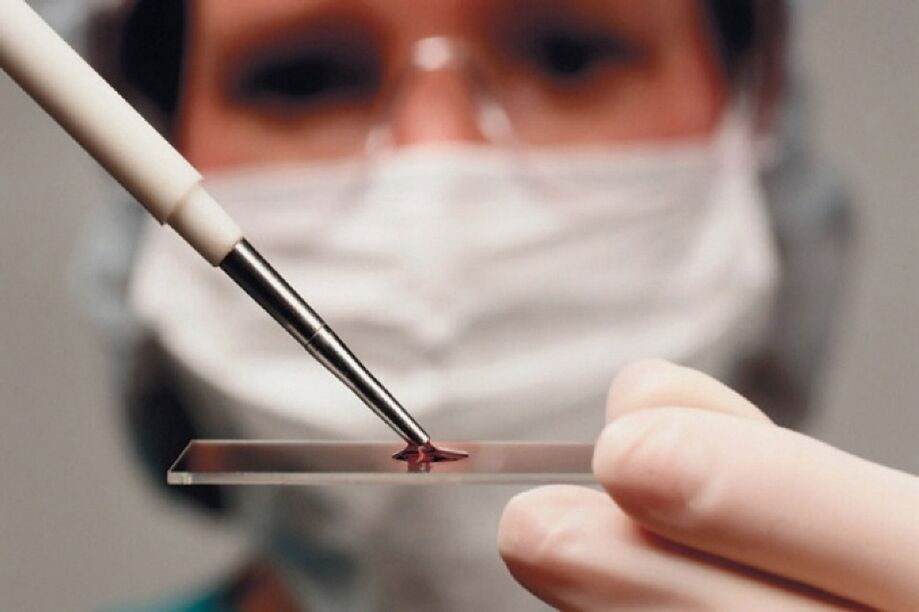
What is the difference between diagnosing arthritis and arthrosis?Because arthritis is an inflammatory disease, inflammation will show up in blood tests.Arthrosis tests are clear;X-ray or MRI is usually used for diagnosis.

treatment
Arthritis
There are different treatment options depending on the severity of the disease.The main goal of arthritis treatment is to eliminate the cause of joint inflammation.
- The answers.Treatment for rheumatoid arthritis may require a combination of different medications.In addition to pain relievers, your doctor may prescribe nonsteroidal anti-inflammatory drugs, antibiotics, and hormonal medications to reduce pain.
- Lifestyle adjustments – diet and exercise to relieve stress on joints.It is necessary to eat foods rich in calcium (to stimulate bone strength) and rich in protein (to build strong muscles).
- surgical intervention.Operations range from minor procedures to major operations (joint replacement).

arthrosis
The main goal of arthrosis treatment is to restore the damaged cartilage.Treatment includes:
- Medicines in tablets are chondroprotectors.
- Injections - corticosteroids and hyaluronic acid to reduce inflammation and increase mobility.
- Massage therapy.The following essential oils are particularly effective: orange, ginger, lavender, rosemary, sandalwood, and eucalyptus.
- Therapeutic exercise.
- Surgery - Damaged joints can be replaced with artificial joints to reduce pain and improve mobility.
- Lifestyle adjustments – diet and exercise to relieve stress on joints.It is necessary to eat foods rich in calcium (to stimulate bone strength) and rich in protein (to build strong muscles).
conclusions
- Arthritis is inflammation of the joints.Arthrosis is an age-related change in cartilage tissue (cartilage destruction).
- Arthrosis occurs in the elderly (50+) (it can also occur at a young age, but very rarely and after a serious injury).Arthritis can occur at any age (even in children).
- In arthrosis, the joints hurt during physical activity.With arthritis, the pain occurs at night.
- In case of arthrosis, the pain increases during movement, it decreases with arthritis.
- Osteoarthritis most often affects the knee and hip joints.Arthritis can occur in any joint;Several distant joints or only one may be affected.
- Arthritis, as an inflammatory disease, can be determined by a blood test, arthrosis cannot.